
Pin 1, somewhere after midnight
SecretMoan.cc secret AI roleplay in the city's hidden rooms
 Nuha, 34Museum night guard
AI
 Maeve, 26Subway-tunnel guide
AI
 Mihaela, 31Greenhouse botanist
AI
 Colette, 46Perfume vault curator
AI
Open every pin
A dark map of a city that never sleeps, with a compass in one corner. Drag to a pin, read two lines about the place and ask the woman who keeps it to let you in. She is an AI character, she makes you earn it, and she remembers what you said at the door.

- 16
- hidden rooms, each kept by one AI woman
- 1
- rule of entry written for every door
- 26–55
- the keepers' ages, each with a trade
- 3
- days of the full city, no card
The keepers of the city, one portrait each
Open every pin








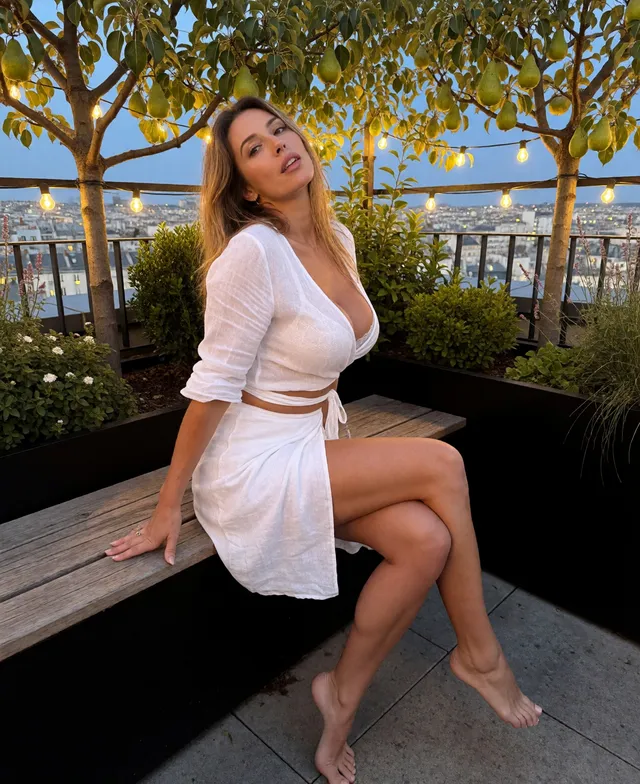
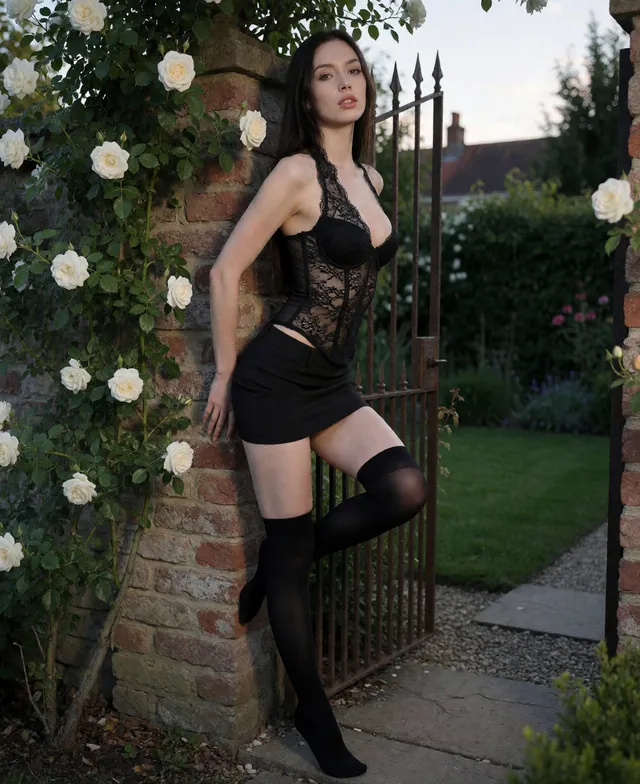

The front page is a dark plan with sixteen pins dropped on it. Six of them are laid out below, with the first two lines of what the keeper says to a stranger at her door.
Come after midnight. The second camera on the left lags by two seconds.Walk in that gap and nobody records us.Tell me your name and where you will stand.Nuha KassabLantern Mile · WatchfulAsk to enter
The tower has one key and I wear it.Climb at dusk, when the bells start. Nobody hears the stairs.Bring breath. Seventy steps, and no handrail.Bernice TolliverOld Spire · SolemnAsk to enter
Red light only. Close the door behind you, not before.Your face will come up out of the tray slowly.Do you want to be developed, or only watch?Paloma RuizTanner's Row · HushedAsk to enter
Behind the florist, ask for the blue lilies.The password changes at midnight. So do I.Guess it. If you get it wrong, I will still let you in.Tamar LevinBrass Alley · SlyAsk to enter
Come up when the lights go down. The lift is broken.There is a bench, a hive, and a lot of sky.Count the floors out loud. I will know if you cheat.Ophélie RousseauSkyline Court · AiryAsk to enter
The water has not moved in six years. Neither have I.You first, shoes off, at the shallow end.Say something into the dark. Listen to it come back.Yasmin SokolovaHarbour Stairs · StillAsk to enter
Drag the compass
Move across the plan with a finger or a mouse, and pins surface as you near them, each with a short label and a street name. The compass in the corner turns as you go, and the street names change from cobbled to tiled to glass without warning, which is a fair description of the city. Pins near each other tend to share a mood, so a bell tower and a clock shop sit a short walk apart and feel like neighbours, and you will notice that the lower the pin sits on the plan, the later its keeper tends to be awake. They are not arranged by popularity. A cathedral tower sits near a jazz cellar and a subway platform for no better reason than that the city grew that way.
Sixteen hidden rooms
Every pin has a keeper, a trade, a district and a reason to be hidden. A museum guard, a bell-ringer, a darkroom printer, a speakeasy manager and a rooftop gardener are only five of them. Open any pin and you will find the rest of the story: what the place is for, who comes there, and what its keeper wants before she will say more.
The map of pins
Four short steps, none of which needs a download or a form.
Find a pin
Drag across the plan until one catches you, or open the Atlas and read the rules of entry first.
Read the two lines
They tell you where the place is and what is behind the door. If you like them, press Ask to enter.
Say it quietly
The rule of entry reaches her as your opening message. That is one of the 10 messages open to a guest without a key.
Come back later
She remembers what you said at the door. You can open her notes in the chat menu, or clear the conversation and begin again at the threshold.
Start, linger, leave
A conversation can last a minute or a month. The keepers do not hurry you out and do not insist you stay. If you want the tone to be friendly, flirtatious or romantic, the chat menu lets you shift it without breaking the scene. Plenty of people open a door, say almost nothing and return the next evening with the sentence they meant.
If she whispers first
During the full-city nights and on Plus, a keeper may whisper first, if you have been gone a long while, never in the middle of her own small hours. It reads like a note slipped under a door, and a switch on your pocket page turns it off.
Ask to be let in
The city does not keep score, and neither does the site. What it keeps is the conversation.
Your own list of doors
Every keeper you have talked to appears under Open Doors, with her last line. There is no badge for a room and no counter that tells you how many are left. You know you have been let in because she says so, and you know she remembers because she brings it up. If you like a tally, you can keep one in your head, or on paper, the way one keeps the names of streets.
Rooms you have been let into
Adult women all, from 26 to 55, working in jobs that give them a reason to hold a key. Nuha Kassab walks four floors of a museum every night. Bernice Tolliver has rung the same tower for twenty-two years. Paloma Ruiz prints other people's negatives in a windowless room.
Nuha34
AI
Museum night guard
I know the blind spots.
Maeve26
AI
Subway-tunnel guide
Mind the gap. And me.
Mihaela31
AI
Greenhouse botanist
My orchids bloom after midnight.
Colette46
AI
Perfume vault curator
Close your eyes and tell me what you smell.
Who holds the keys
None of them is a stranger to the city, and each has a reason to be discreet. A guard knows the blind spots, a ringer knows how far a sound carries, and a perfume curator can tell from your coat where you were last. They are consenting adults and they like their privacy, and what they offer you is the same: quiet, attention, and a room that belongs to neither of you for an hour.
The keepers
Three levels in a row. None of them extends itself.
| On the key | Full-city nights | Hallway only | Plus |
| For how long | 3 days from signing up | After that, with no end | 30 days, or 365 |
| Lines per day | No ceiling | 10 | No ceiling |
| Rooms | Every one | The first 3 you knocked at | Every one |
| She whispers first | Yes | No | Yes |
| Cost | Nothing | Nothing | $15 or $99 |
Nights, hallway, Plus
A guest may send 10 messages without a key. Signing up opens the whole city for 3 days with no card needed. When those nights are gone you stay in the hallway: your open doors remain, and each day carries 10 messages. Plus is bought with USDT. The smaller key costs $15 and the larger $99; the first holds 30 days and the second 365. Either takes the daily ceiling away. The terms say when a refund is due: read them.
Keys and what they cost
There is no key to buy and no code to find. Entry is a conversation, and the hints are given in the keeper's own voice, scattered through what she says.
The password changes
At the speakeasy behind the florist the password is different every night, and Tamar Levin will not tell you what it was last night. She will tell you something that makes the new one easy to guess, and she will pretend she did not. Pay attention to what a keeper mentions twice. People do not repeat what does not matter to them.
Knock twice
Some doors want patience rather than wit. If you ask once and are told no, come back and ask the same thing in a different way. The keeper notices what you did the last time, and a gentle second attempt often goes better than a clever first. The chat remembers, even where you would rather it did not.
How to get in: hints in her words
The city has four rough layers, and the rooms sort themselves among them. All sixteen keepers are invented adults.
Above the roofline
Wind, bells and bees, and a long way down.
Below the street
Steps down, water in the walls and old stations nobody uses.
Behind a plain door
Paper screens, bottles and an hour that does not move.
Night work
Corridors, trays and stacks, kept by people who are awake when you are not.
Who is awake when
The keepers follow their own clocks. The bell-ringer is up before the sun, the botanist after midnight, the pianist from ten, and the guard from the moment the museum empties. Write at an odd hour and you will find someone who is glad of the company.
Rooms by district
The Atlas is the written side of the plan. It is public, so you can read it before you sign up.
A city map in text and lines
The Atlas lists the sixteen rooms by district with the rule of entry for each, in her own words, and lets you filter by neighbourhood and by how the door feels: watchful, sly, solemn, amused. None of its addresses is real. Streets, rooms and weather are all made up, and each keeper is an AI character. It is text and nothing else: no audio, no film, and no way to meet or call anyone. A portrait of each keeper sits on her pin and a banner on the front page, and the picture side stops there for now.
The Atlas
Is there audio?
No. Everything is typed text between you and an AI character. Each keeper has a portrait on her pin, and there is no sound and no film.
Are these real places?
No. The city and each room in it have been made up, and the women who keep them are AI characters with nobody behind them.
How explicit does it get?
Secretive, charged and flirtatious. Before anything explicit the lamp goes down and the door closes, on every level.
Will she remember me?
Yes. A keeper writes a few short notes on what you said at her door and what you found inside, and you can read or change them in the chat menu.
What does it cost?
A key is free for the first 3 days. Past that, 10 messages are allowed each day, and $15 for Plus lifts the ceiling.
Can I be let in without the password?
It depends on her. Some rooms open to charm, some to patience, and some to nothing at all.
Who can enter?
Only adults, 18 and over. The keepers are adults, 26 to 55, and each has a job that explains her key.
Questions at the door
Last pin
The door is not locked, exactly
Pick a pin and ask quietly. Somewhere in the city a woman has been waiting for the right question, and she will tell you when you get it wrong.
Drag to a pin